A 31-Day Walk with Wisdom
Movement 3
Day 16
Step 16 · Of Thirty-One
A 8-minute walk
What You Do With What You Know
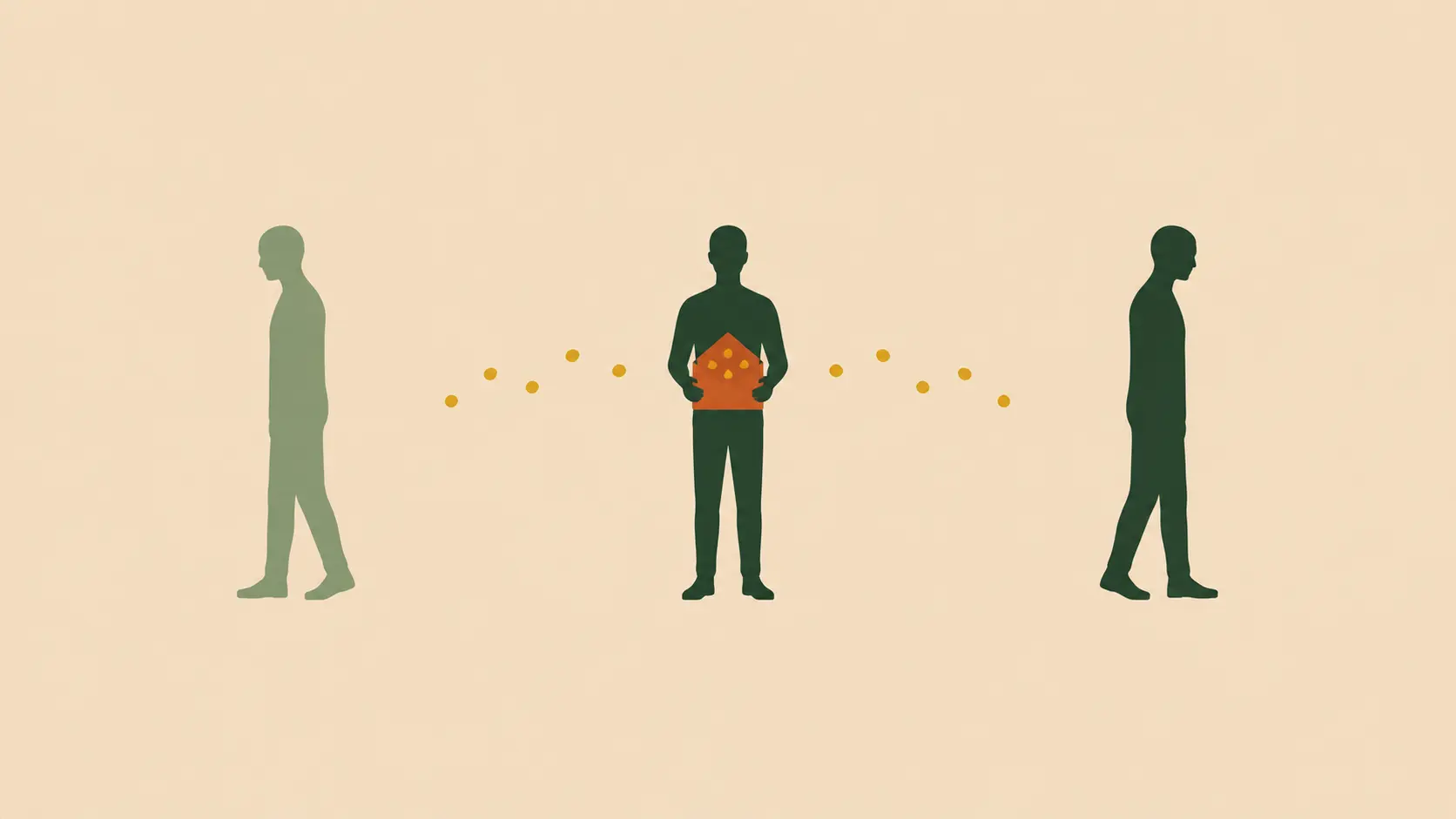
"A talebearer reveals secrets, but he who is of a faithful spirit conceals a matter."
PROVERBS 11:13 · NKJV
Life Right Now
Your friend tells you something in confidence. And you held it. For about four days.
Then another friend asks how that person is doing, and it just... comes out, with what felt like concern in your voice. "I probably shouldn't say this, but..." and there it was, someone else's private weight, now shared. It wasn't until later when you caught yourself wondering whether the first friend would find out. The temptation wasn't to harm anyone. It was just so hard to keep holding something when passing it along felt so natural.
Wisdom for the Journey
Proverbs has a specific word for this. A talebearer. Someone who moves information from where it belongs to where it doesn't. Proverbs 16:28 says a whisperer separates the best of friends. And it happens like this: the words of a talebearer are like tasty trifles that go down into the inmost body (18:8).
That's the sensation exactly. It feels satisfying, warm even, like being brought into an inner circle. Proverbs warns specifically: don't associate with someone who reveals secrets, don't keep company with someone who can't control what comes out of their mouth.
But ask yourself what makes talebearing so sticky, so persistent, so hard to stop even when you know it's damaging. It's almost always about position. To know something others don't is to feel briefly elevated, more connected, more in the loop, more significant. That hunger for a sense of being someone who matters is a real and human thing.
But the person who truly fears God handles secrets carefully primarily because they're not hungry in that particular way anymore. They already have what the sharing was supposed to get them. Proverbs 26:20 puts it simply: where there is no talebearer, strife ceases.
What a thing to be known as someone in whose presence strife ceases. Someone in whose hands information is safe. Someone people call when they need to say something out loud to another person, knowing it will go no further. That kind of person isn't just well-liked. They're rare. Wisdom calls them faithful.
You can be that person. Recognise that pull for what it is today and choose something more solid to stand on.
Today's Step
The next time you're about to share something about someone else, pause long enough to ask one question: did this person give me this information to pass on, or to hold? If you're not sure, hold it.
Pause & Listen
One
Think of a time you shared something that wasn't yours to share. What was the feeling that made it hard to hold onto?
Two
Is there someone in your life who is genuinely safe with information — who holds things faithfully? What is it about them that makes people trust them?
Three
Where might God be asking you to be a place where someone else's story stops traveling?
A Small Prayer
Dear God, I want to be someone people can trust. Show me where I've treated other people's pain or private life as conversation material, and forgive me for it. Teach me to hold what I'm given with care because I'm secure enough in You that I don't need to spend what isn't mine. Amen.
Without Christ in your heart, even your best efforts to live wisely will eventually fall short. True wisdom begins when we surrender our lives to Him and allow His Spirit to shape the way we think, choose and live. If you've not surrendered your life to Christ, now's the perfect time to do so. Say this prayer from your heart:
Lord Jesus, for too long, I've kept you out of my life. I admit that I'm a sinner and need Your forgiveness. I believe that You died on the cross for my sins and rose again from the dead. Right now, I turn from my sins and place my faith in You as my Savior and Lord. Take control of my life and help me to live for You. Thank You for saving me. Amen.
Congratulations! God's wisdom is now fully available for you!
Continue Exploring
If you'd like to walk this ground a little longer, these passages keep company with today's theme.
- Proverbs 16:28
- Proverbs 17:9
- Proverbs 18:8
- Proverbs 20:19
- Proverbs 26:20–22
A whisper for the road
"The most trustworthy people in the room are the ones who know the most and keep it."
Wisdom Corner
STUDENT
That group chat where someone's name comes up and you have something to add — you don't have to add it. Being the one who stays quiet is its own kind of character.
Coming Tomorrow
Day 17
Love, Attraction, and Boundaries
Movement Three turns to the shape of a wise life lived among people — and tomorrow the conversation becomes tender. Proverbs is neither naive nor cynical about attraction, desire, and the boundaries that protect them. It is honest about them, which turns out to be far more useful than either sentimentality or suspicion. Wisdom invites us to bring God into the room where these decisions are made.
Carry the verse
Save today's verse as a card — for your screen, your journal, or someone who needs it.
This step
When you are ready, mark this day as walked.
0 of 31 steps walked